Vegetarian Meal Plan: 7 Days, Prep, Calories and Protein
A 7-day vegetarian meal plan with calories, protein, grocery prep, nutrient tips, and portion swaps for weight loss or fitness.
A good vegetarian meal plan gives you enough protein, fiber, vitamins, and calories for your goal without relying only on pasta, bread, and cheese. Use this 7-day lacto-ovo vegetarian plan as a practical starting point: 3 meals, 1 snack, about 1,750–1,950 calories a day, and roughly 90–120 g protein before portion changes.
If you have diabetes, kidney disease, an eating disorder history, are pregnant, or need very low calories, speak with a qualified clinician before changing your diet.
Vegetarian meal plan basics: what this plan includes
This is a lacto-ovo vegetarian meal plan. That means no meat, poultry, or fish. It includes eggs and dairy, with easy vegan swaps where they fit, such as tofu instead of eggs, fortified soy yogurt instead of Greek yogurt, and tempeh instead of paneer.
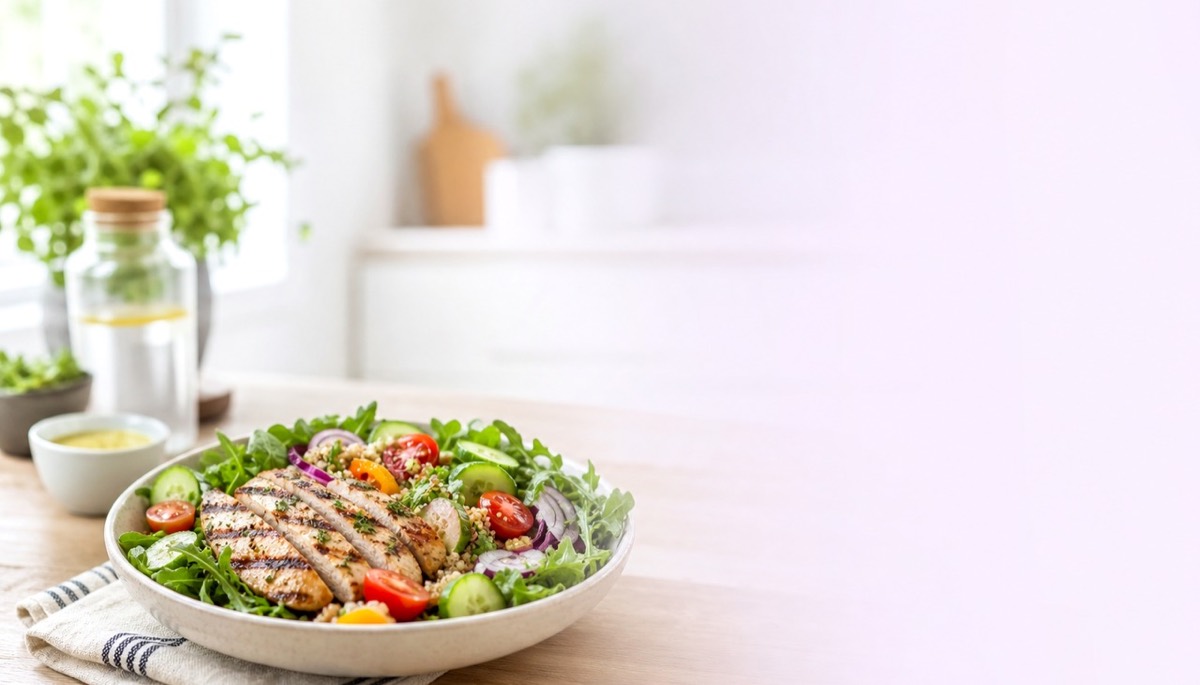
Each day uses 4 eating times:
- Breakfast
- Lunch
- Dinner
- Snack
Meals are built around protein, high-fiber carbs, colorful produce, and healthy fats. The goal is general wellness and fitness nutrition, not treatment for a medical condition.
When you do not follow the plan exactly, use this simple plate method.
Vegetarian plate template:
- 1/2 plate: vegetables or fruit
- 1/4 plate: protein such as eggs, Greek yogurt, tofu, tempeh, lentils, beans, cottage cheese, seitan, or edamame
- 1/4 plate: starch such as oats, rice, quinoa, potatoes, whole-grain bread, or pasta
- Plus 1 thumb-size fat: olive oil, avocado, nuts, seeds, or tahini
You can also view the free Thrive Fit vegetarian plan page at /meal-plans/vegetarian if you want day-by-day meals with recipes.
Pick your calorie and protein target before choosing portions
Use the same meal plan at different calorie levels by changing portions, not rebuilding the whole week. For weight loss, many adults start with a moderate calorie deficit. For general health, eat around maintenance. For strength-focused goals, use a small surplus and train consistently.
Calories vary by height, weight, age, sex, and activity level. A calculator is a starting estimate, not a perfect answer. You can use the free /calorie-calculator, or read more about targets in /blog/how-many-calories-to-lose-weight.
Protein matters because vegetarian diets can drift high-carb and low-protein if meals are mostly bread, pasta, and cheese.
Illustrative worked example: a 70 kg person aiming for general fitness could start around 1.5 g protein/kg = 105 g protein/day. If their maintenance estimate is 2,100 kcal, a weight-loss version might be about 1,800 kcal/day, a maintenance version about 2,100 kcal/day, and a strength-focused version about 2,300 kcal/day.
Example macro split at 1,800 kcal:
- 105 g protein = 420 kcal
- 60 g fat = 540 kcal
- Remaining 840 kcal from carbs = about 210 g carbs
7-day vegetarian meal plan with calories and protein
These numbers are rough. Brands, cooking oil, portions, and swaps can change totals. Use them as planning estimates.
| Day | Breakfast | Lunch | Dinner | Snack | Estimate |
|---|---|---|---|---|---|
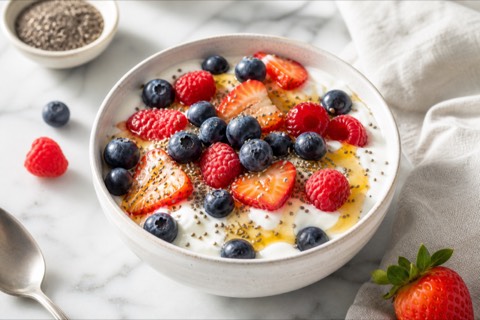
| 1 | Greek yogurt bowl with oats, berries, chia, and walnuts | Lentil quinoa salad with feta | Tofu vegetable stir-fry with brown rice | Apple with peanut butter | About 1,850 kcal, 105 g protein |
| 2 | Spinach and feta omelet with whole-grain toast | Chickpea avocado wrap | Black bean sweet potato chili | Cottage cheese with pineapple | About 1,800 kcal, 100 g protein |
| 3 | Protein overnight oats with milk, Greek yogurt, banana, and flax | Caprese tofu grain bowl | Lentil pasta with marinara and side salad | Carrots with hummus | About 1,900 kcal, 115 g protein |
| 4 | Cottage cheese toast with tomato and eggs | Edamame soba noodle salad | Paneer or tofu tikka bowl with rice and cucumber | Protein smoothie | About 1,850 kcal, 110 g protein |
| 5 | Tofu scramble with potatoes and salsa | White bean pesto pita | Vegetarian burrito bowl with beans, corn, rice, salsa, and Greek yogurt | Trail mix plus fruit | About 1,900 kcal, 95 g protein |
| 6 | Smoothie bowl with Greek yogurt, berries, oats, and hemp seeds | Egg salad sandwich with vegetable soup | Tempeh tacos with slaw and avocado | Skyr or Greek yogurt with honey | About 1,800 kcal, 115 g protein |
| 7 | Oatmeal with milk, protein powder or Greek yogurt, berries, and almond butter | Lentil vegetable curry leftovers | Spinach ricotta stuffed peppers | Roasted edamame and orange | About 1,850 kcal, 105 g protein |
Recipe shorthand
- Yogurt bowl: Greek yogurt, oats, berries, chia, walnuts, cinnamon.
- Lentil quinoa salad: cooked lentils, quinoa, cucumber, tomato, greens, feta, lemon, olive oil.
- Tofu stir-fry: tofu, frozen or fresh vegetables, soy sauce, garlic, ginger, brown rice.
- Chili: black beans, sweet potato, tomato, onion, chili powder, Greek yogurt topping.
- Tikka bowl: tofu or paneer, tikka spices or sauce, rice, cucumber, spinach.
- Burrito bowl: beans, corn, rice, salsa, lettuce, Greek yogurt instead of sour cream.
Swap meals between days if needed. The weekly average matters more than the exact order.
Grocery list and 90-minute meal prep
This list is for 1 person for 7 days. Adjust quantities for appetite, calorie target, and household size.
Produce
- Berries, bananas, apples, oranges, pineapple
- Spinach or mixed greens
- Tomatoes, cucumber, carrots, peppers, onions
- Sweet potatoes, potatoes, zucchini
- Cabbage or slaw mix
- Garlic, lemon, avocado
Protein and dairy
- Greek yogurt or skyr
- Cottage cheese
- Eggs
- Extra-firm tofu, tempeh, or paneer
- Lentils, black beans, chickpeas, white beans
- Edamame
- Feta, ricotta, or cheese in controlled portions
- Optional protein powder
Carbs and grains
- Oats
- Brown rice or quinoa
- Whole-grain bread, wraps, or pitas
- Soba noodles or lentil pasta
Fats, sauces, and pantry
- Olive oil, peanut butter, nuts, chia, flax, hemp seeds
- Hummus, pesto, salsa, marinara
- Soy sauce, curry paste or tikka sauce
- Chili powder, paprika, cumin, cinnamon, iodized salt if appropriate
Meal prep checklist for 1 person for 7 days:
- Cook 2 cups dry brown rice or quinoa.
- Roast 4 cups chopped sweet potato, peppers, zucchini, and onions at 425°F/220°C for 25–35 minutes.
- Bake or air-fry 2 blocks tofu or tempeh with soy sauce, garlic, and paprika.
- Cook 1 large pot lentil chili or lentil curry using about 2 cups dry lentils.
- Boil 6 eggs if using eggs.
- Wash and chop salad vegetables.
- Portion 5 snack containers, such as hummus and carrots, yogurt and berries, or edamame.
- Store sauces, greens, wraps, and crunchy toppings separately so they do not get soggy.
This creates building blocks. You still assemble fresh bowls, wraps, and salads in a few minutes.
How to adjust the plan for weight loss, maintenance, or higher protein
Change calories with predictable portion levers. For weight loss, reduce oils, nuts, cheese, rice, pasta, or wraps before cutting tofu, beans, eggs, yogurt, or tempeh. That keeps protein steady while calories come down.
For higher activity or strength training, add carbs around workouts and increase grains, potatoes, fruit, or healthy fats.
| Goal | Easy adjustment |
|---|---|
| Reduce about 100 kcal | Remove 1 tbsp peanut butter, 1 tbsp olive oil, 1/2 cup cooked rice, 25 g cheese, or 15 g nuts |
| Add about 100 kcal | Add 1 banana, 1 slice whole-grain toast, 1/2 cup cooked rice, 170 g potatoes, or 2 tsp olive oil |
| Add 15–25 g protein | Add 170–200 g Greek yogurt, 150 g cottage cheese, 100 g extra-firm tofu, 100 g tempeh, 1 scoop protein powder, 2 eggs plus 2 egg whites, or 1 cup shelled edamame |
If weight loss is your goal, avoid dropping below safe intake levels to force faster progress. A steady plan you can repeat beats a perfect week followed by burnout. For a broader fat-loss setup, see /blog/weight-loss-guide.
Vegetarian nutrients to cover on purpose
A vegetarian meal plan can be balanced, but a few nutrients need deliberate planning.
Vitamin B12 is the big one. Reliable intake usually comes from dairy, eggs, fortified foods, or a supplement. Vegan versions need fortified foods or a supplement because plant foods are not dependable B12 sources.
Also watch iron, zinc, calcium, vitamin D, iodine, and omega-3 fats.
Nutrient checklist:
Daily
- Include 2–3 protein servings.
- Include 1–2 calcium-rich foods, such as Greek yogurt, milk, fortified soy milk, calcium-set tofu, or fortified plant yogurt.
- Include 1 iron-rich food, such as lentils, beans, tofu, tempeh, spinach, pumpkin seeds, or fortified cereal.
- Include 1 vitamin C food with iron-rich meals, such as citrus, berries, peppers, or tomatoes.
Weekly
- Include walnuts, chia, flax, or hemp seeds several times for ALA omega-3.
- Use iodized salt if appropriate.
- Check B12 intake from eggs, dairy, fortified foods, or a supplement.
- Consider vitamin D from fortified foods or supplements if sunlight intake is low.
Pair the meal plan with simple home training and tracking
Many people searching for a vegetarian meal plan also want weight loss, toning, strength, or better energy. Keep training simple. No equipment is enough to start.
Weekly schedule example:
- Monday: 25-minute bodyweight circuit. Do 3 rounds of 30 seconds squats, 30 seconds incline push-ups, 30 seconds glute bridges, 30 seconds dead bugs, with 30 seconds rest between moves.
- Tuesday: 30-minute walk.
- Wednesday: repeat circuit.
- Thursday: rest or gentle walk.
- Friday: circuit with 35 seconds work per move.
- Saturday: 40-minute walk or mobility.
- Sunday: rest and meal prep.
If you are new to exercise, the beginner plan at /blog/home-workout-plan-for-beginners pairs well with this meal plan.
Review rule after 3 weeks: if weight loss is the goal and your weight trend has not moved, reduce 100–150 kcal/day using the adjustment table. If hunger is high or workouts are suffering, add 100–150 kcal/day from carbs or protein.
Thrive Fit can also help if you want everything in one place. Users can view free meal plan pages on the website, use the calorie and BMI calculators without the app, and use the app for guided bodyweight circuits, meal plans, water tracking, weight/BMI logs, progress photos, and Meal Scan estimates that can be edited before logging.
FAQ
What can vegetarians eat for high protein?
Good high-protein vegetarian foods include Greek yogurt, skyr, cottage cheese, eggs, tofu, tempeh, seitan, edamame, lentils, beans, and protein powder. Aim to include one at each meal.
Is a vegetarian meal plan good for weight loss?
It can be. Weight loss still depends on calories, protein, activity, and consistency. A vegetarian plan works best when it controls oils, nuts, cheese, sweets, and large starch portions while keeping protein high.
How many calories should a vegetarian meal plan have?
It depends on your body size and activity. Many people use a moderate deficit for weight loss, maintenance calories for general health, or a small surplus for strength goals. Use a calculator as a starting estimate, then review progress after 2–3 weeks.
Can I build muscle on a vegetarian diet?
Yes. You need progressive strength training, enough total calories, and enough protein. Tofu, tempeh, Greek yogurt, cottage cheese, eggs, seitan, lentils, beans, and edamame can all help.
How do I make this vegetarian meal plan vegan?
Swap Greek yogurt for fortified soy yogurt, dairy milk for fortified soy milk, eggs for tofu scramble, paneer for tofu or tempeh, and cheese for small amounts of nuts, tahini, avocado, or vegan cheese. Add a reliable B12 source.