What actually makes you lose weight
Weight loss comes down to eating a little less energy than you use, consistently, for weeks. There’s no special food or workout that gets around it, but there are ways to make it far easier: meals that keep you full, protein to protect muscle, enough sleep, and a target that is moderate rather than extreme.
A small deficit, often around 500 calories a day below maintenance, is a common starting point. It’s enough to see the scale move over a few weeks without the hunger that makes crash diets fail. Our guide on how many calories to eat to lose weight explains the math, and the calorie calculator does it for you.
Why exercise still matters
Workouts don’t burn as many calories as people hope, but they change what the lost weight is made of. Strength work tells your body to keep muscle while you lose fat, so you end up leaner, not just lighter. Exercise also improves mood, sleep and energy, which makes sticking to your food plan much easier.
Thrive Fit’s weight loss journey mixes full-body circuits with core and cardio work you can do at home. The home workout videos show every move, so you don’t need a gym or a trainer.
What’s in the 12-week journey
- A daily calorie target and macro split based on your body and activity.
- A Weight Loss meal plan with four meals a day, or any of the other 15 plans if you prefer.
- Guided home workouts several times a week, getting harder as you progress.
- Water targets, weight and BMI logs, and progress photos to see changes the scale misses.
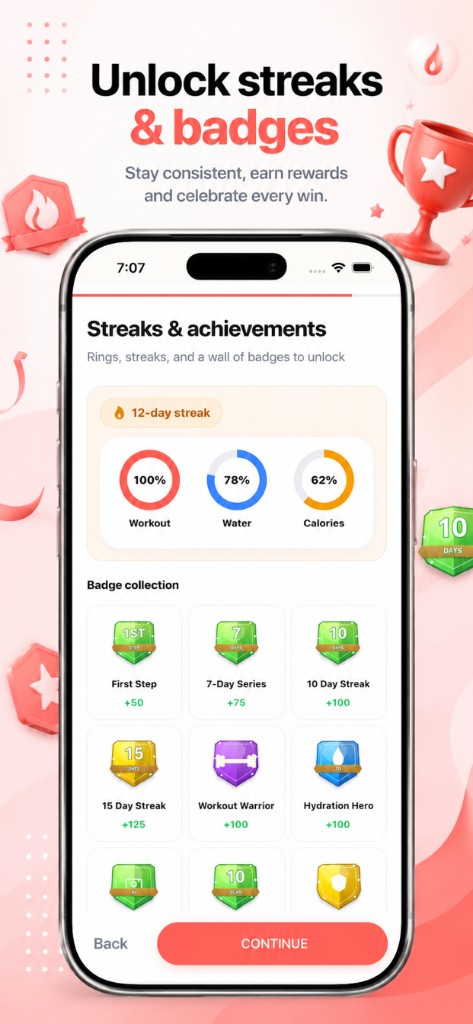
- Streaks and badges to keep you showing up on the hard days.
Realistic expectations
Weight goes up and down day to day with water, salt and digestion. Weigh at the same time each morning and look at the weekly average, not single readings. Expect slower progress after the first few weeks; that’s normal, not failure. If you have a medical condition, are pregnant or take medication that affects weight, speak to your doctor before starting any plan.