Dairy Free Meal Plans: 7 Days, Macros and Grocery List
A 7-day dairy-free meal plan with calories, protein, grocery list, label rules, swaps, prep steps and portion changes.
A good dairy-free meal plan removes milk-based foods, keeps protein high, and gives you clear portions you can adjust for weight loss, maintenance, or training. Use the 7-day plan below as a 1,650–1,800 calorie starting point with about 110–135 g protein per day, then scale portions to your own target.
Dairy-free is not automatically healthier or better for weight loss. It works when your calories, protein, fiber, and consistency match your goal.
Dairy-free meal plans: what counts, what does not, and who needs extra caution
Dairy-free means excluding milk from cows, goats, sheep, and ingredients made from them. That includes milk, cheese, yogurt, butter, cream, ghee, whey, casein, milk powder, lactose, and curds.
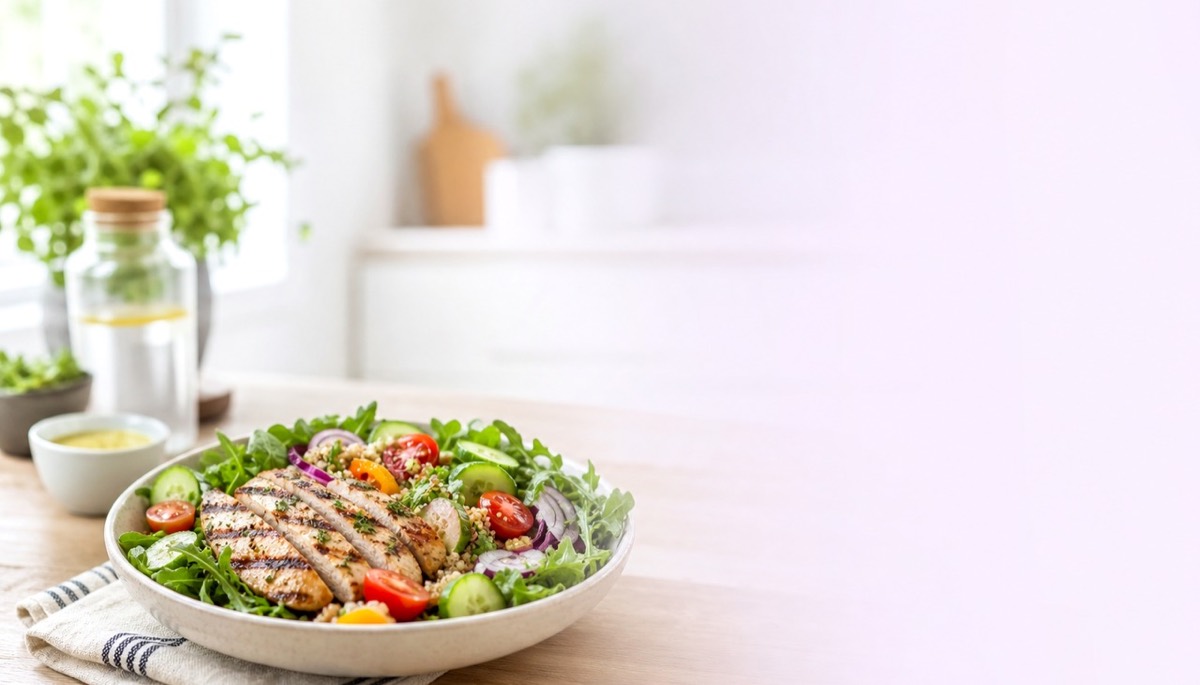
Eggs are not dairy. But many baked goods, sauces, wraps, and breaded foods that contain eggs may also contain milk, so check labels.
Dairy-free is also different from lactose-free. Lactose-free milk is still dairy. It may suit some people with lactose intolerance, but it is not suitable for a milk allergy.
You might eat dairy-free by preference, for intolerance, or because of a diagnosed allergy. If you have a diagnosed milk allergy, pregnancy nutrition needs, a history of eating disorders, kidney disease, or another medical condition, use clinician or dietitian guidance.
Label-reading checklist: avoid ingredients that say milk, skim milk powder, whey, casein, caseinate, lactose, butter, butterfat, cream, cheese, yogurt, ghee, curds, milk solids, nonfat dry milk, and milk protein isolate. Check the allergen line for Contains: milk. For severe allergy, also check may contain milk and shared-equipment warnings.
Set your dairy-free calories and macros before choosing meals
A dairy-free plan still needs an energy target. Weight loss needs a sustainable calorie deficit. Maintenance needs roughly maintenance calories. Strength-focused goals usually need enough calories and protein.
Protein is the anchor because removing Greek yogurt, cottage cheese, whey, and cheese can quietly lower your daily intake. A practical target for active adults trying to lose fat or build or maintain lean mass is about 1.6–2.2 g protein per kg body weight per day. Lower targets can be fine for general wellness.
Thrive Fit estimates daily calories from Mifflin–St Jeor BMR times an activity factor, then adjusts by goal. Protein is based on body weight, with fat set as a percentage of calories and carbs filling the rest. If you do not want to do the math, use the free calorie calculator, then choose the portion changes later in this guide. For more detail, read how many calories to eat to lose weight.
Worked example: a 35-year-old woman, 75 kg, 165 cm, lightly active.
- BMR = 10×75 + 6.25×165 − 5×35 − 161 = about 1,445 kcal/day
- Light activity factor 1.375 = about 1,987 kcal/day maintenance
- Moderate weight-loss target = about 1,700 kcal/day
- Protein at 1.8 g/kg = 135 g/day
- Fat at 28% of calories = about 52 g/day
- Carbs fill the rest = about 170 g/day
7-day dairy-free meal plan with calories and protein
This plan uses normal grocery foods: oats, eggs, tofu, chicken, fish, beans, rice, potatoes, vegetables, fruit, olive oil, nuts, seeds, and fortified dairy-free milk. Fortified soy milk and calcium-set tofu help replace some nutrients commonly supplied by dairy.
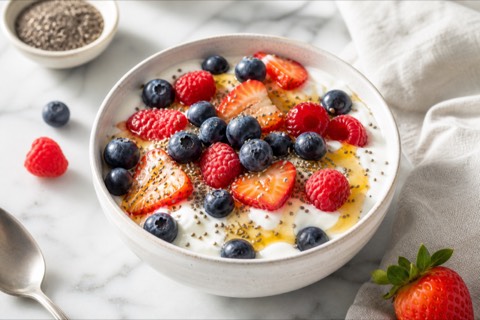
Meals are dairy-free by default, but not necessarily vegan, gluten-free, keto, or allergy-safe for every person. Calories and macros are estimates. Adjust for body size, appetite, training, and progress.
Sample 7-day plan: roughly 1,650–1,800 kcal/day and 110–135 g protein/day
| Day | Meals |
|---|---|
| 1 | Soy-milk overnight oats with berries, chia, and pea protein; turkey-avocado wrap; salmon, rice, and broccoli; hummus with carrots. |
| 2 | Tofu scramble with potatoes; chicken quinoa bowl; beef or turkey bean chili; apple with peanut butter. |
| 3 | Smoothie with fortified soy milk, banana, spinach, and pea protein; tuna potato salad; shrimp tacos with slaw; edamame. |
| 4 | Eggs, toast, and fruit; lentil soup with chicken salad; turkey meatballs with tomato pasta; coconut yogurt with pumpkin seeds. |
| 5 | Oatmeal with soy milk and walnuts; tofu rice bowl; cod with sweet potato and green beans; rice cakes with tuna. |
| 6 | Egg and black-bean breakfast burrito; turkey salad with olive-oil vinaigrette; chicken stir-fry with noodles; dairy-free protein shake. |
| 7 | Oat pancakes with berries; salmon salad bowl; turkey or bean burger with roasted potatoes; trail mix portion of 30 g. |
You can also view the free Thrive Fit dairy-free meal plan for day-by-day recipes and macros.
Dairy-free grocery list and 90-minute meal prep
Turn the plan into food you can grab. Check labels on bread, wraps, sauces, protein powders, and meatballs because hidden milk ingredients are common.
1-adult grocery list for 7 days
- Proteins: eggs 12, chicken breast 700 g, turkey slices or cooked turkey 400 g, salmon fillets 2, cod 1 fillet, tuna cans 2, tofu 2 blocks, edamame 300 g, lean turkey or beef mince 500 g, pea or soy protein powder.
- Carbs: oats 500 g, rice 500 g dry, quinoa 250 g dry, potatoes 1.5 kg, sweet potatoes 3, wraps 4, pasta 300 g, noodles 250 g.
- Produce: berries, bananas, apples, spinach, broccoli, carrots, salad greens, peppers, onions, slaw mix, green beans, avocado.
- Fats/extras: olive oil, peanut butter, walnuts, chia seeds, pumpkin seeds, trail mix.
- Dairy-free items: fortified soy milk 2–3 cartons, coconut or soy yogurt, dairy-free wraps if needed.
90-minute prep: cook rice and quinoa; roast potatoes and vegetables; cook chicken and turkey chili; press and bake tofu; wash and chop salad vegetables; portion snacks into 30 g servings. Cooked proteins and grains are usually best used within 3–4 days. Freeze extra portions if cooking for the full week.
High-protein dairy-free swaps that actually work
Replace dairy without cutting protein or doubling calories. Fortified soy milk is usually better than almond milk when protein matters, because many almond milks are low-protein. Vegan cheese can add flavor and fat, but it is usually not a protein source.
Swap list
- 1 cup cow’s milk → 1 cup fortified soy milk, about 80–120 kcal and 7–9 g protein.
- Greek yogurt → soy yogurt plus 1 scoop pea protein, about 220–280 kcal and 25–35 g protein.
- Whey protein → pea, soy, rice-pea blend, or egg-white protein, usually 20–30 g protein per scoop.
- Butter on toast → avocado, olive-oil spread, or nut butter, measured at 1 tbsp.
- Cheese in salads → avocado, olives, seeds, or nutritional yeast, but add chicken, tofu, tuna, beans, or eggs if protein is needed.
- Creamy sauce → blended white beans, cashews, or silken tofu with lemon, garlic, and salt.
Adjust the plan for weight loss, maintenance, higher protein, or low-carb preferences
Weight loss comes from the overall calorie deficit, not from removing dairy by itself. Use portion changes before rebuilding the whole plan.
To reduce calories while protecting protein, cut oils, nuts, starch portions, and sweetened dairy-free products before cutting lean protein. To add calories for active people, use rice, oats, potatoes, olive oil, nuts, avocado, and extra protein portions.
Thrive Fit includes several meal-plan styles, including Dairy-Free, High-Protein, Low-Carb, Mediterranean, Vegetarian, Vegan, Gluten-Free, and others, so you can match the plan style to your goal on the main meal plans page.
Portion adjustment guide
- To reduce about 200 kcal/day, remove 1 tbsp olive oil or nut butter and reduce rice, pasta, or potatoes by 1/2 cup cooked.
- To add about 200 kcal/day, add 1 cup cooked rice, 60 g oats, 1 avocado half plus fruit, or 1 extra wrap.
- To add 25–30 g protein, add 120 g chicken, 1 can tuna, 150–200 g tofu, 250 g edamame, or 1 scoop dairy-free protein powder.
- For lower carb, swap 1 cup cooked rice for extra vegetables plus 1 tbsp olive oil and keep the same protein serving.
Pair the dairy-free plan with a simple no-equipment training week
Workouts do not spot-reduce belly fat. They help increase activity, maintain strength, and support your calorie target. If you are new to exercise, see this home workout plan for beginners.
Progress by adding rounds, reps, or work time when the current version feels manageable.
Weekly schedule
- Monday strength circuit, 3 rounds: squats 12, incline or knee push-ups 8–12, glute bridges 15, dead bugs 10/side, plank 20–40 seconds, rest 60 seconds.
- Tuesday: 25–40 minute brisk walk.
- Wednesday lower-body/core circuit, 3 rounds: reverse lunges 8/side, wall sit 30 seconds, bird dog 10/side, side plank 15–30 seconds/side.
- Thursday: rest or easy walk.
- Friday full-body timed circuit: 30 seconds work/30 seconds rest for 4 rounds: jumping jacks or step jacks, squat to reach, mountain climbers slow, push-up variation, bicycle crunch.
- Saturday: optional walk or mobility 20 minutes.
- Sunday: rest.
The Thrive Fit app provides guided bodyweight circuits at home with trainer videos, timed work, rest periods, and goal journeys such as weight loss, core & waist, lean & toned, strength, and energy boost.
Track, troubleshoot, and know when the plan needs changing
Review the plan after 2–3 weeks. Use trends, not one high-salt meal or one scale jump. Track body weight trend, hunger, workout energy, protein consistency, vegetables, fiber, and adherence.
Dairy-free packaged foods can be high in calories and low in protein, so portions still matter. Log oils, nuts, sauces, and dairy-free cheese.
Thrive Fit users can log weight and BMI, progress photos, water intake with a daily target, and use Meal Scan to estimate calories, protein, carbs, and fat from a meal photo, with edits before logging. Meal Scan and macro estimates are estimates, not medical measurements.
14-day troubleshooting checklist
- Weigh 3–4 mornings per week and compare the weekly average.
- Hit protein within 20 g of target at least 5 days/week.
- Include 2 fists of vegetables at lunch and dinner.
- Log oils, nuts, sauces, and dairy-free cheese.
- Complete at least 3 workouts or 3 walks per week.
- If weight is unchanged after 2–3 weeks and adherence is solid, reduce by about 100–200 kcal/day or add 2,000–3,000 steps/day.
- If energy and hunger are poor, add 100–200 kcal/day from carbs around workouts or increase protein and vegetables.
FAQ
What foods can I eat on a dairy-free meal plan?
You can eat eggs, poultry, fish, meat, tofu, beans, lentils, rice, oats, potatoes, fruit, vegetables, nuts, seeds, olive oil, and fortified dairy-free milks. Check packaged foods for hidden milk ingredients.
Is dairy-free the same as lactose-free?
No. Lactose-free milk is still dairy because it comes from milk. It may help lactose intolerance, but it is not suitable for a milk allergy.
Are eggs considered dairy?
No. Eggs are not dairy. Dairy means milk and foods made from milk, such as cheese, yogurt, butter, cream, whey, and casein.
Can I lose weight on a dairy-free meal plan?
Yes, if the plan creates a calorie deficit you can keep. Removing dairy alone does not cause weight loss. Calories, protein, portions, activity, and consistency matter most.
How do I get enough calcium and protein without dairy?
Use high-protein foods such as chicken, fish, eggs, tofu, beans, edamame, tuna, and dairy-free protein powder. For calcium, choose fortified soy milk, calcium-set tofu, leafy greens, and other fortified foods.